Coding & Marking on Rigid Plastics
PET, HDPE, PP and PVC containers each react differently to ink and laser light. Low surface energy makes ink adhesion harder; the wrong laser…
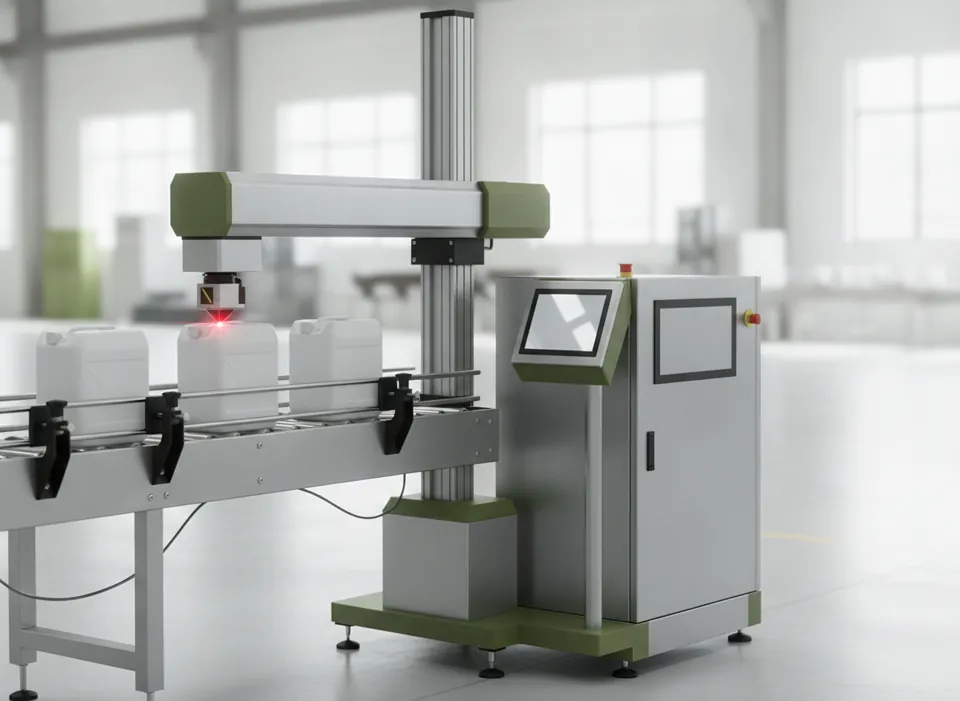
Working with rigid plastics
PET, HDPE, PP and PVC containers each react differently to ink and laser light. Low surface energy makes ink adhesion harder; the wrong laser wavelength can melt rather than mark.
Practical tips
- Ask for sample marking on your actual resin and colour — pigments change the result.
- Flame or corona treatment improves ink adhesion on polyolefins.
- On lightweight PET keep to 9.3 µm to avoid weakening the wall.
What works, and why
UV Laser Marking Machines
High-contrast marks on HDPE and PP without additives.
CO2 Laser Marking Machines
9.3 µm for PET bottles; 10.6 µm for many other polymers.
Continuous Inkjet (CIJ) Printers
Versatile and fast on any plastic with the right ink.
Fiber Laser Marking Machines
Dark engineering plastics and laser-additive compounds.
Labeling Machines
Wrap, front-and-back and sleeve decoration.
Recommended for rigid plastics
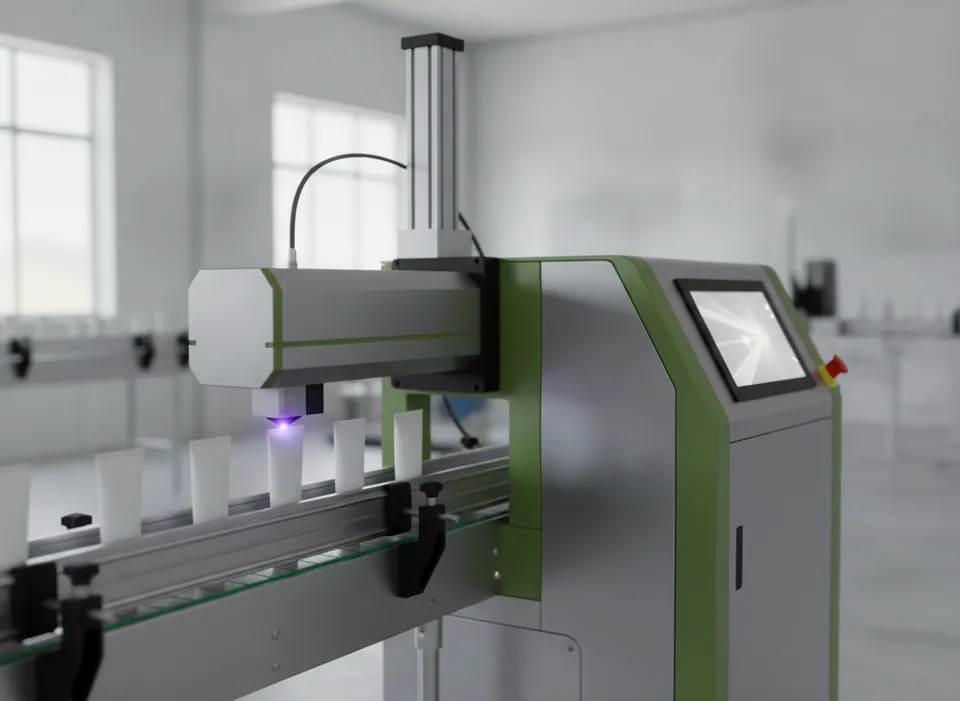
3 W UV Laser Coder
Entry UV coder for plastics, films and labels at moderate speeds.
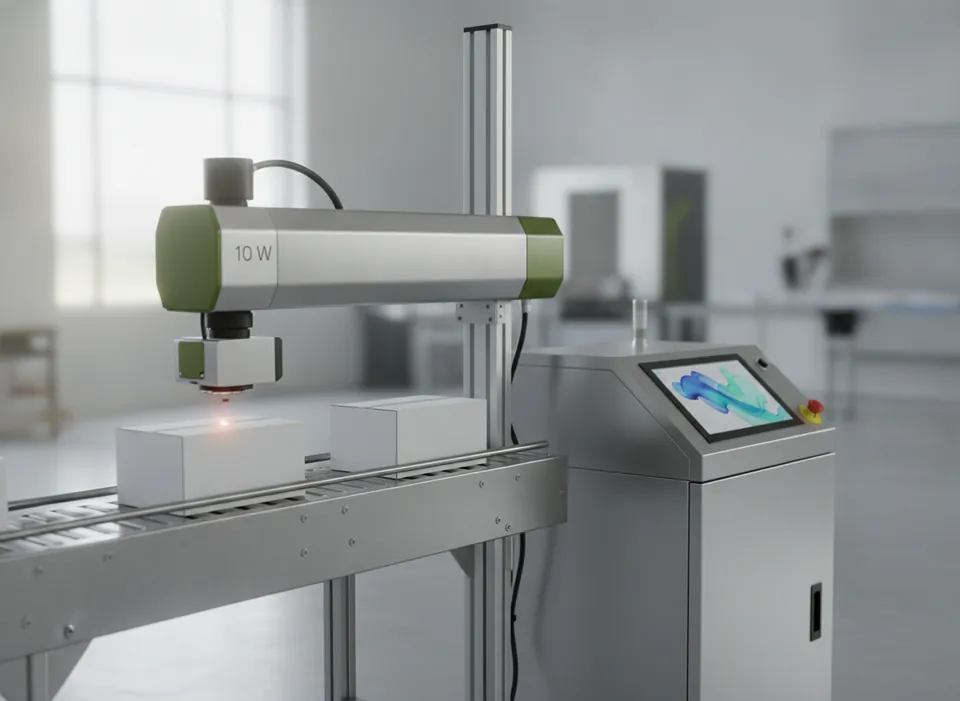
10 W CO2 Laser Coder
Economical CO2 coder for cartons, labels and paper sleeves.
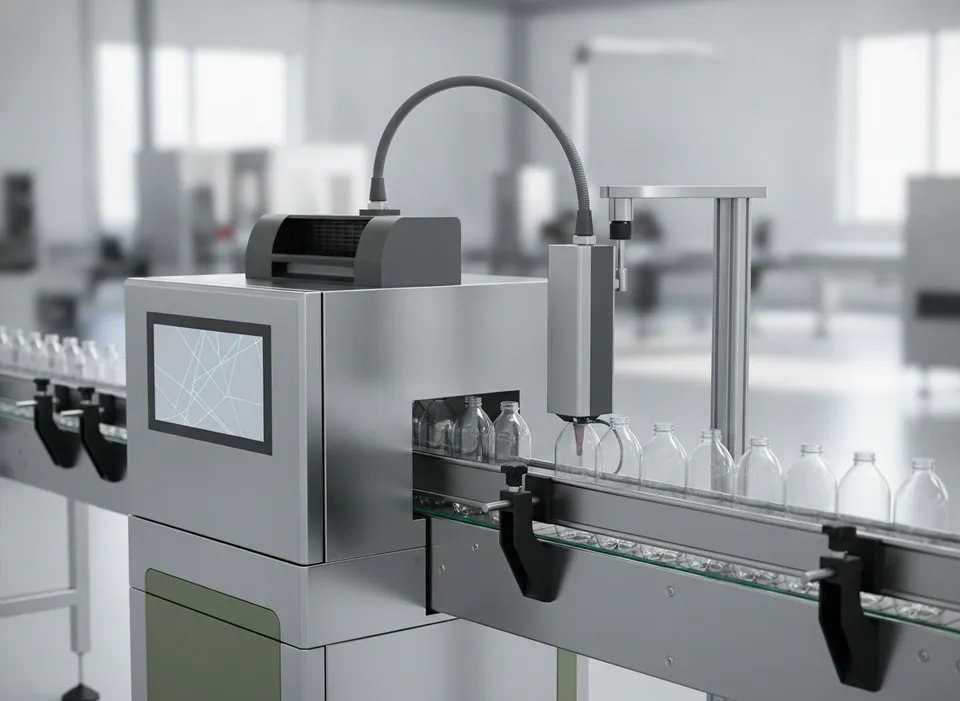
Entry-Level CIJ Printer
Straightforward date and batch coding for single-shift lines.
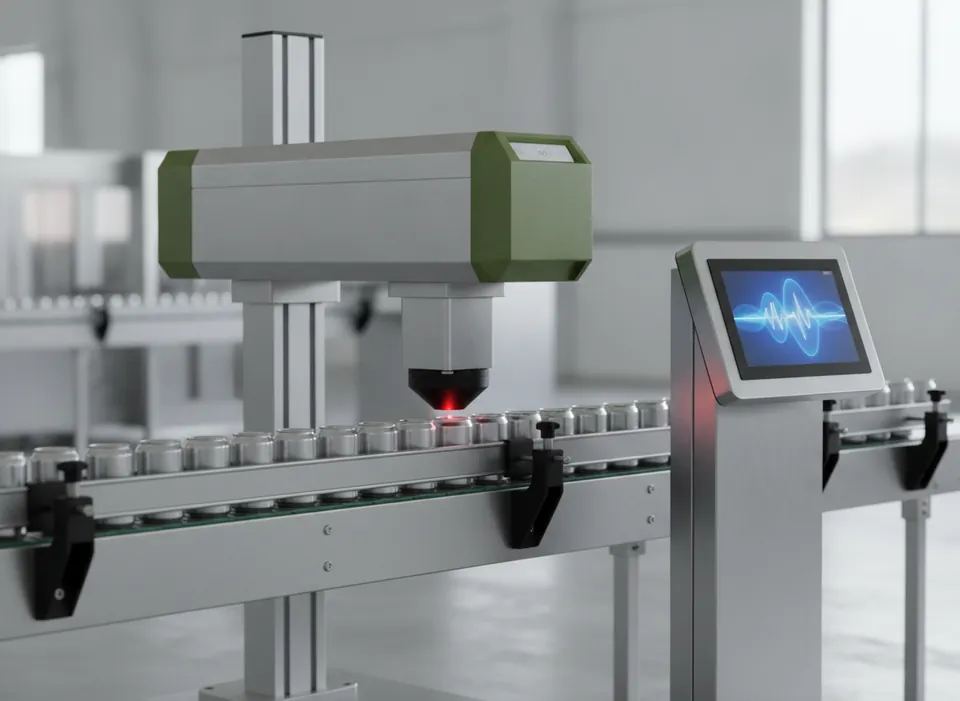
20 W Fiber Laser Coder
Compact on-the-fly fiber laser for date, lot and 2D codes on metal and plastic packs.
Not sure which technology fits?
Send us samples. We will test the options and return marked pieces with our recommendation.