Fiber Laser Marking Machines
High-contrast permanent marks on metals and engineering plastics, on the fly or at a workstation.
Also called fibre laser coders, MOPA laser markers and metal laser engravers.
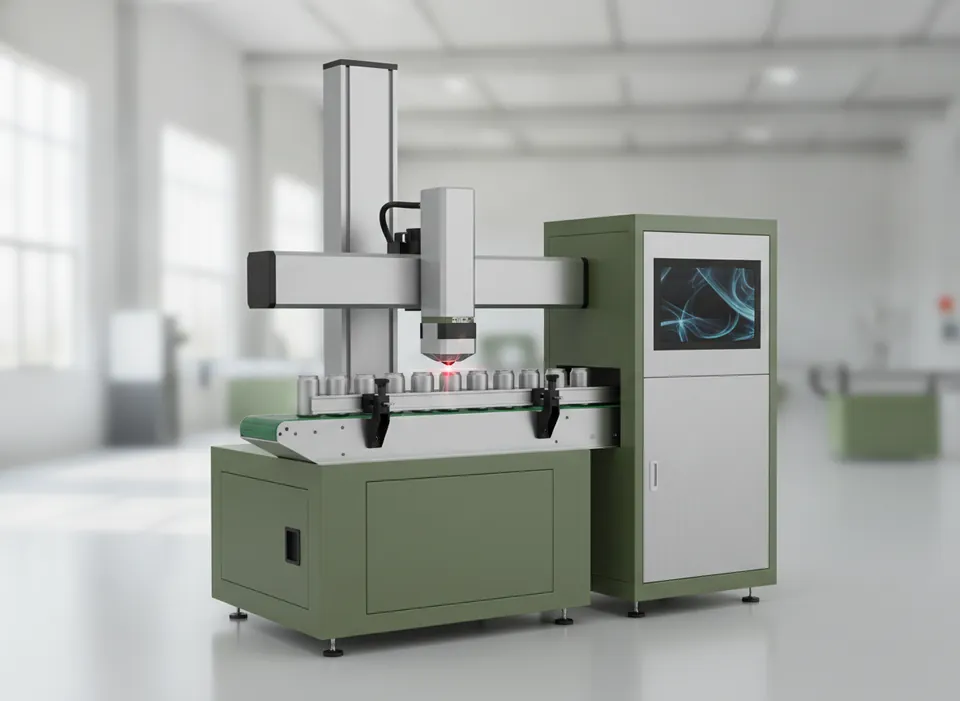
What these machines do
Fiber lasers emit near-infrared light at around 1064 nm, a wavelength that metals and many dense plastics absorb efficiently. The result is a permanent mark — annealed, engraved or colour-changed — with no ink, ribbon or label to buy.
A ytterbium-doped fiber source generates the beam, a pair of galvanometer mirrors steers it across the marking field, and an F-theta lens keeps the spot in focus over the whole area. On moving lines an encoder tracks product speed so the code stays undistorted. MOPA sources add adjustable pulse width, which is what makes black marking on anodised aluminium and colour marking on stainless steel possible.
Typical options
- Rotary axis for cylindrical parts
- Class 1 safety enclosure with interlocked door
- Inline code reader with reject output
- Beam-turning unit for side or bottom marking
Used in
Works on
Fiber Laser Marking at work
A closer look at a typical installation. Ask us for a live demonstration on your own product.
Fiber Laser Marking Machines
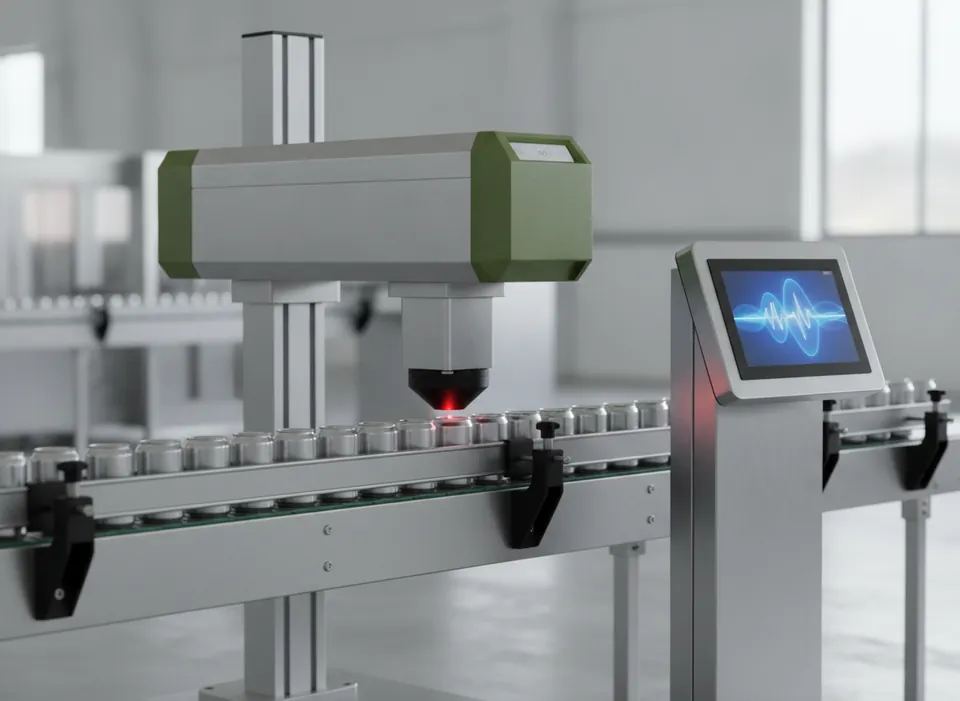
20 W Fiber Laser Coder
Compact on-the-fly fiber laser for date, lot and 2D codes on metal and plastic packs.
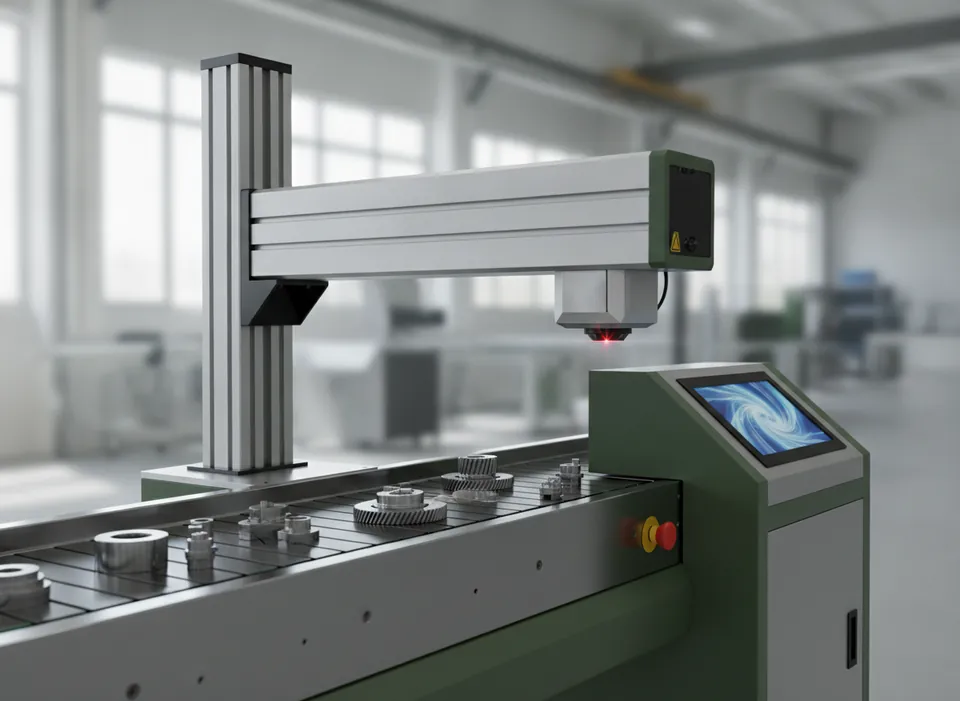
30 W Fiber Laser Coder
Extra pulse energy for faster lines and deeper marks.
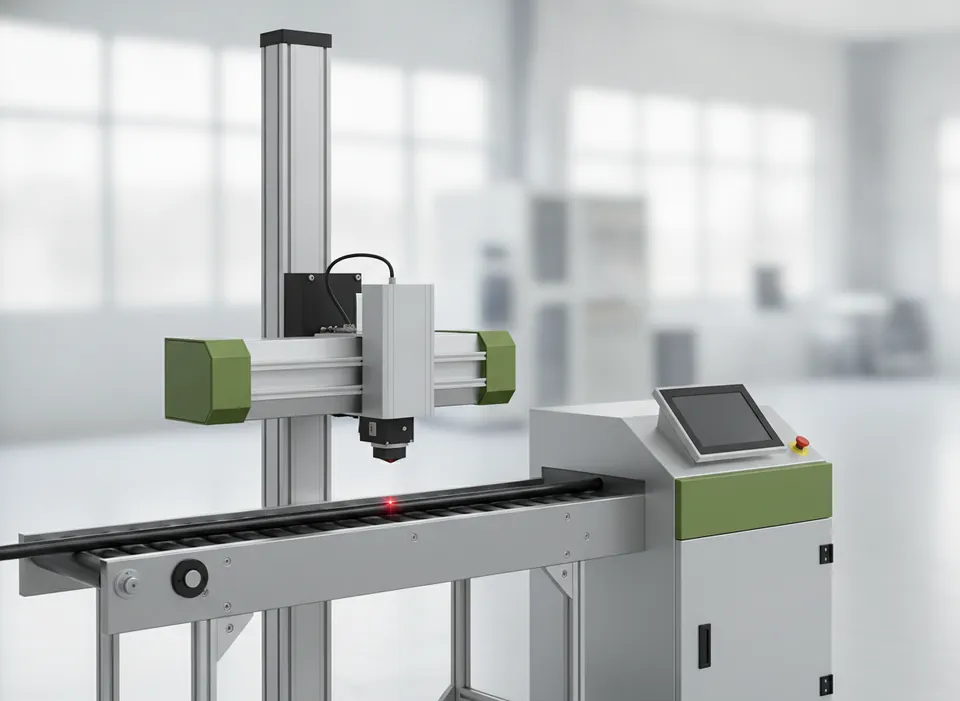
50 W High-Speed Fiber Laser Coder
For can lines, cable extrusion and other high-throughput marking.
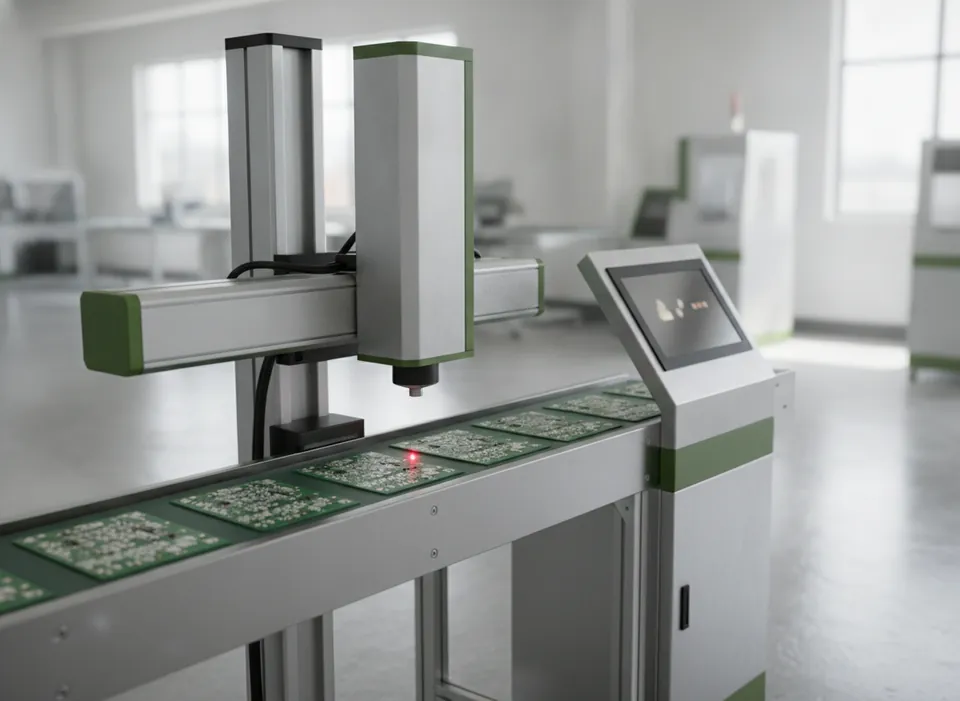
60 W MOPA Fiber Laser Marker
Adjustable pulse width for black anodised, colour and fine plastic marking.
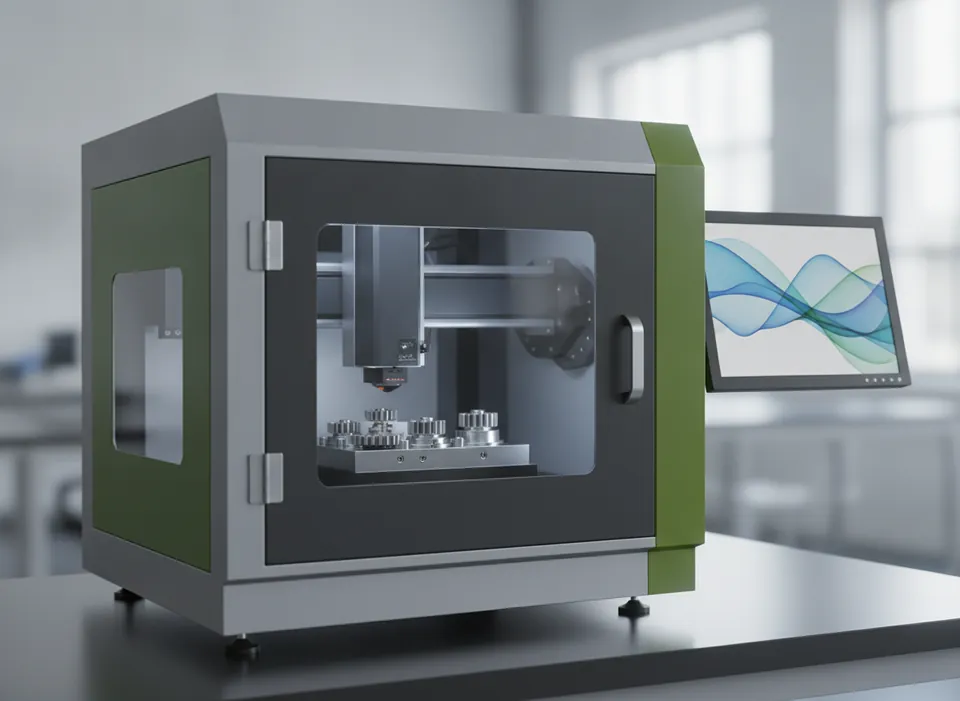
Desktop Fiber Laser Marking Workstation
Class 1 enclosed workstation for batch and single-part marking.
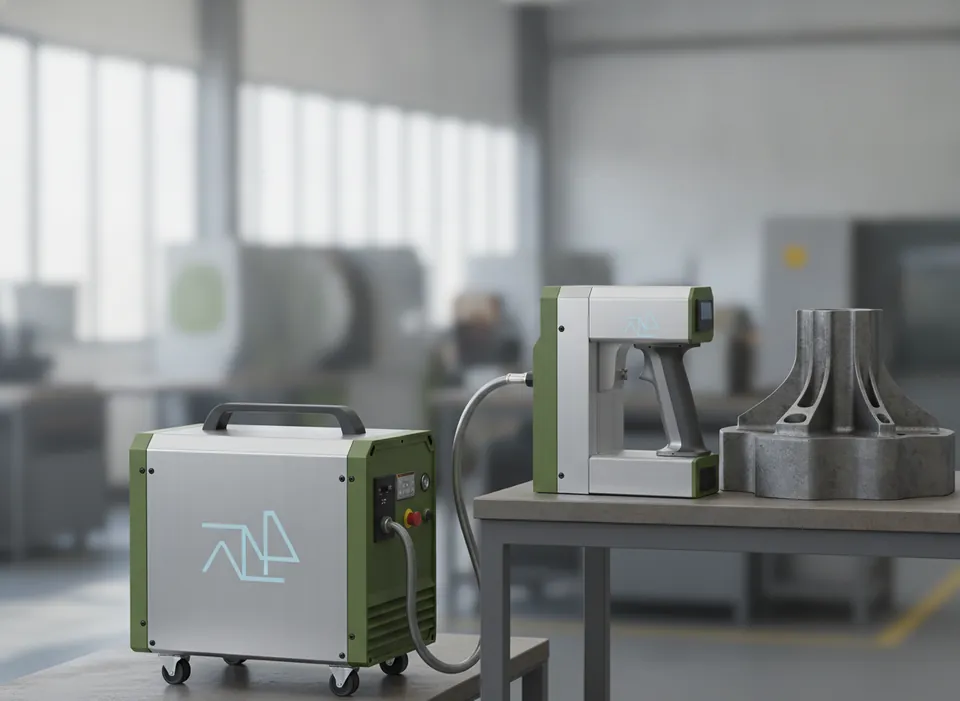
Handheld Fiber Laser Marker
Take the laser to parts that are too large or heavy to move.
Models at a glance
| Model | Machine | Laser source | Average power | Wavelength | Marking field |
|---|---|---|---|---|---|
| FL-20 | 20 W Fiber Laser Coder | Pulsed ytterbium fiber, Q-switched | 20 W | 1064 nm | 110 × 110 mm (optional 175 × 175 mm) |
| FL-30 | 30 W Fiber Laser Coder | Pulsed ytterbium fiber, Q-switched | 30 W | 1064 nm | 110 × 110 mm (optional 220 × 220 mm) |
| FL-50 | 50 W High-Speed Fiber Laser Coder | Pulsed ytterbium fiber, Q-switched | 50 W | 1064 nm | 110 × 110 mm (optional 300 × 300 mm) |
| FL-M60 | 60 W MOPA Fiber Laser Marker | MOPA ytterbium fiber | 60 W | 1064 nm | 110 × 110 mm (optional 175 × 175 mm) |
| FL-D20 | Desktop Fiber Laser Marking Workstation | Pulsed ytterbium fiber (20 / 30 / 50 W) | 20 W standard | 1064 nm | 110 × 110 mm (optional 200 × 200 mm) |
| FL-H20 | Handheld Fiber Laser Marker | Pulsed ytterbium fiber | 20 W (30 W optional) | 1064 nm | 80 × 80 mm |
Typical configurations. Final values are confirmed in your quotation.
Process sequence
Detect
A photo-eye or PLC signal tells the controller a part has arrived.
Track
The encoder reports line speed so the scan head can follow the moving surface.
Mark
Galvo mirrors steer the pulsed beam to draw text, logos, 1D and 2D codes.
Extract
Fume extraction removes particulates at the marking point.
Verify
An optional camera reads the code back and rejects any failure.
Common questions
Which materials suit a fiber laser?
What is the difference between Q-switched and MOPA?
Does a fiber laser need consumables?
Tell us about your product
Send a sample, a drawing or just a description. We will recommend the right machine and show you the result.