CO2 Laser Marking Machines
Fast, ink-free date and lot coding on cartons, labels, PET, glass and wood.
Also called CO2 laser coders, scribing lasers and carton laser markers.
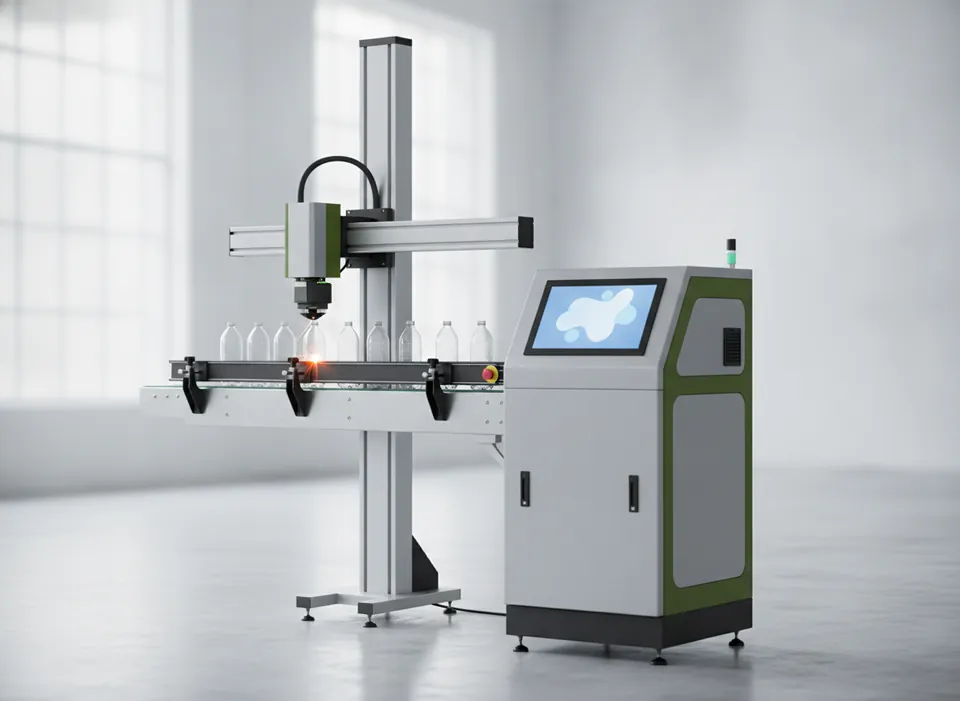
What these machines do
CO2 lasers produce far-infrared light between 9.3 and 10.6 µm, which organic materials absorb strongly. They remove a thin layer of ink from a carton, engrave PET and glass, or change the colour of coated paper — at line speeds that match beverage and FMCG production.
An RF-excited sealed tube generates the beam, and a galvo scan head writes characters as continuous vector strokes. Choosing the wavelength matters: 10.6 µm suits paper, board, glass and wood; 9.3 µm gives a clean frosted mark on PET bottles; 10.2 µm works well on laminated cartons and coated films.
Typical options
- Choice of 9.3, 10.2 or 10.6 µm tube
- IP65 washdown head for wet filling halls
- Beam delivery extensions and 90° turning units
- Dual-head controller for two lanes
Used in
Works on
CO2 Laser Marking at work
A closer look at a typical installation. Ask us for a live demonstration on your own product.
CO2 Laser Marking Machines
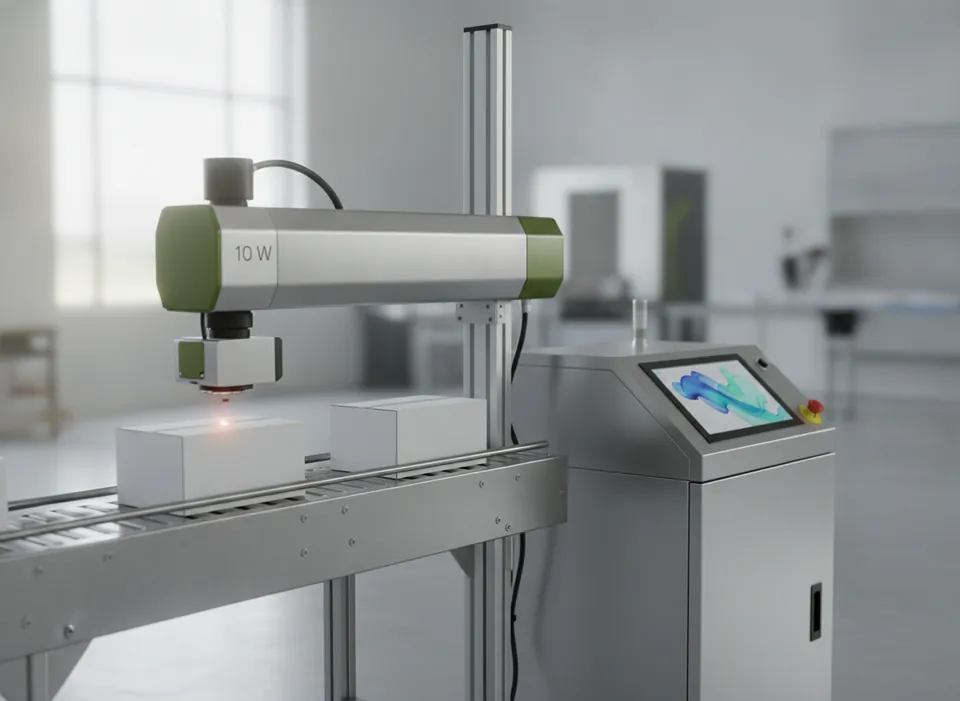
10 W CO2 Laser Coder
Economical CO2 coder for cartons, labels and paper sleeves.
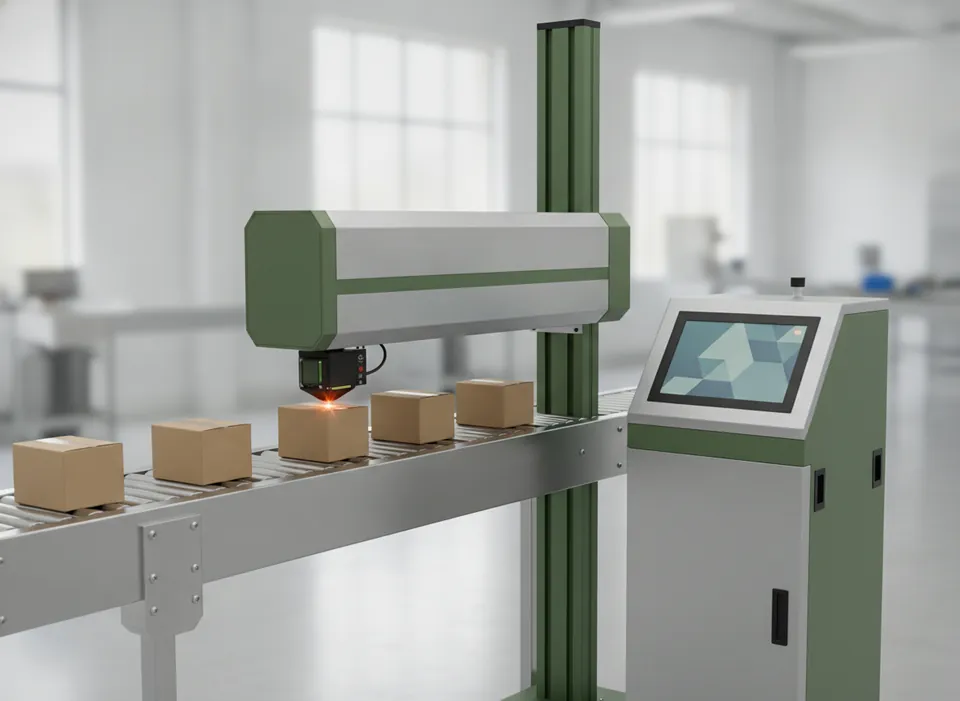
30 W CO2 Laser Coder
The standard CO2 laser for FMCG coding.
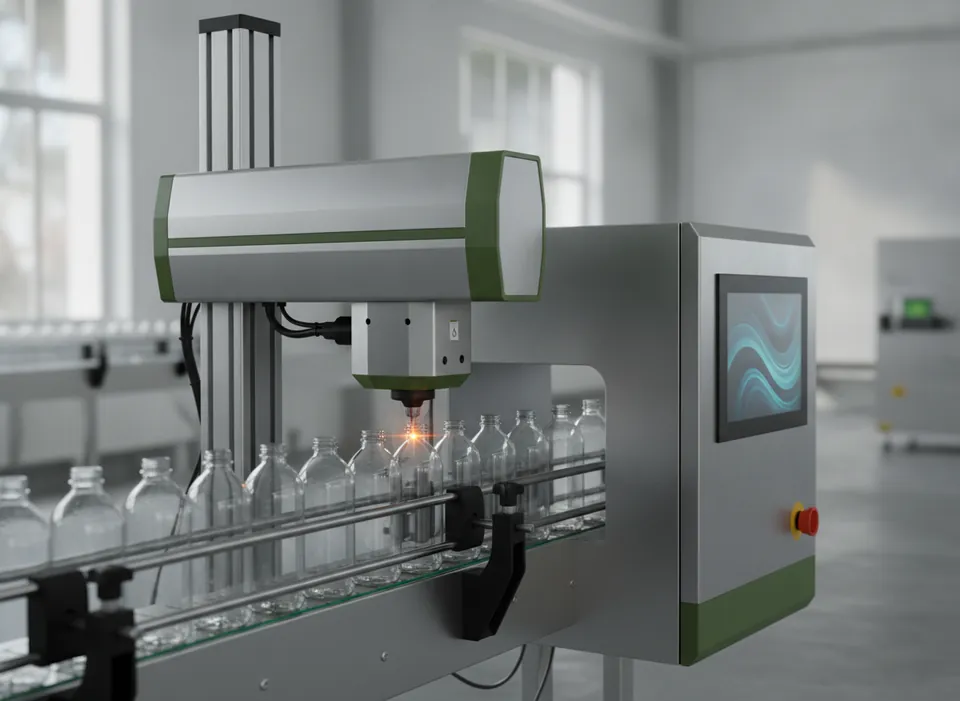
60 W High-Speed CO2 Laser Coder
Power and speed for beverage, dairy and tobacco lines.
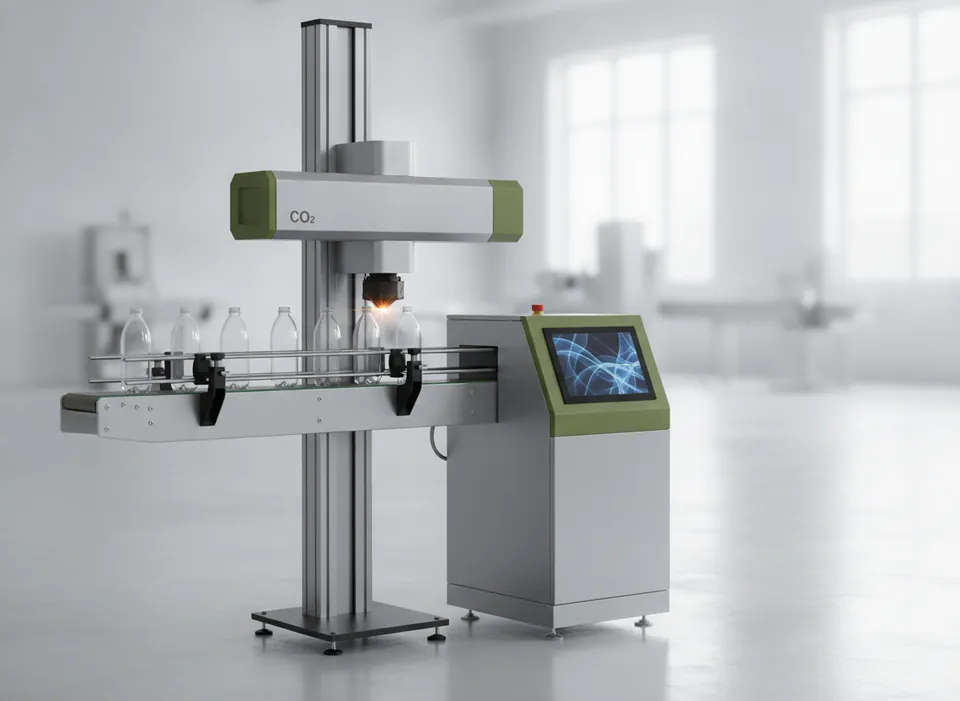
9.3 µm CO2 Laser Coder for PET Bottles
Wavelength-matched laser for clean marks on PET.
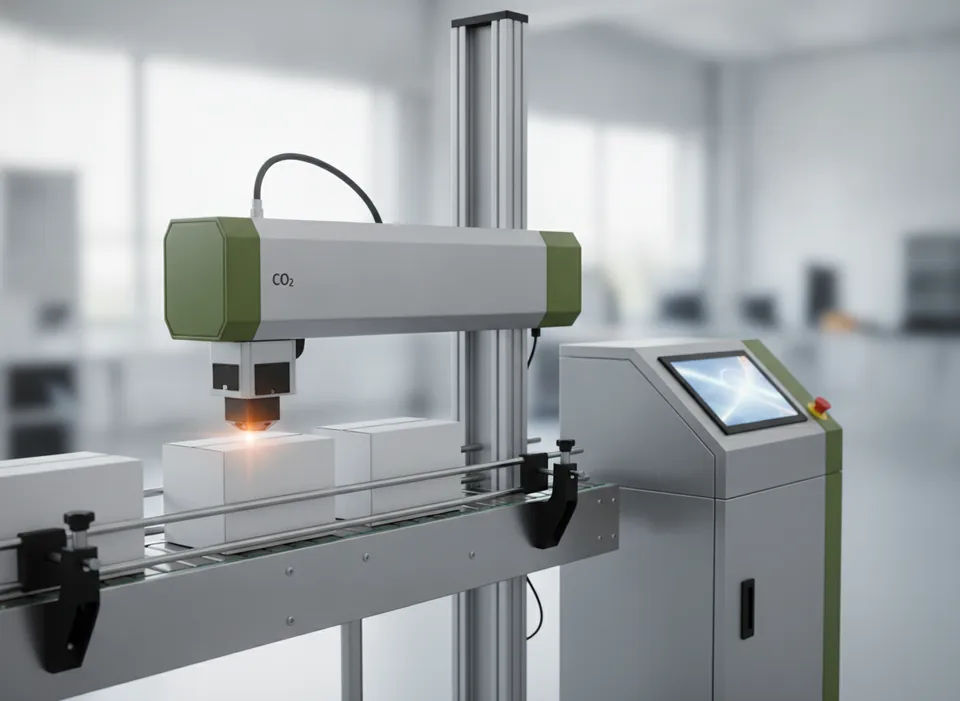
10.2 µm CO2 Laser Coder for Laminated Cartons
Crisp codes on coated board, laminates and BOPP film.
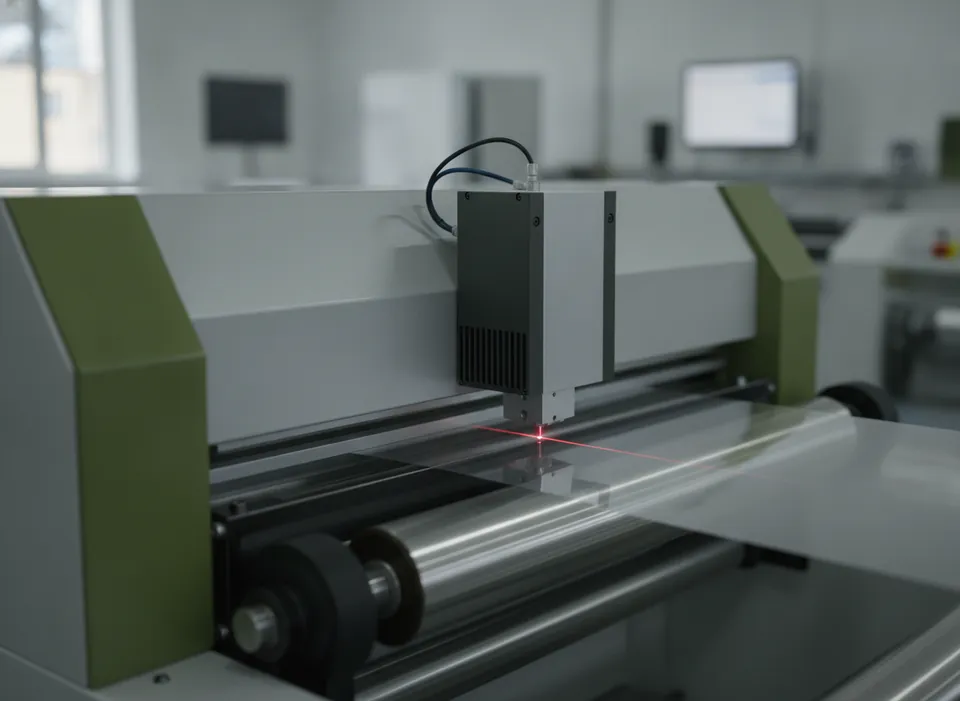
100 W CO2 Laser Scoring & Perforating System
Easy-open scoring and micro-perforation for flexible film.
Models at a glance
| Model | Machine | Laser tube | Average power | Wavelength | Marking field |
|---|---|---|---|---|---|
| CL-10 | 10 W CO2 Laser Coder | Sealed RF-excited CO2 | 10 W | 10.6 µm | 70 × 70 mm (optional 100 × 100 mm) |
| CL-30 | 30 W CO2 Laser Coder | Sealed RF-excited CO2 | 30 W | 10.6 µm (9.3 / 10.2 µm optional) | 100 × 100 mm (optional 200 × 200 mm) |
| CL-60 | 60 W High-Speed CO2 Laser Coder | Sealed RF-excited CO2 | 60 W | 10.6 µm (9.3 µm optional) | 100 × 100 mm (optional 300 × 300 mm) |
| CL-30B | 9.3 µm CO2 Laser Coder for PET Bottles | Sealed RF-excited CO2 | 30 W | 9.3 µm | 100 × 100 mm |
| CL-30K | 10.2 µm CO2 Laser Coder for Laminated Cartons | Sealed RF-excited CO2 | 30 W | 10.2 µm | 100 × 100 mm |
| CL-G100 | 100 W CO2 Laser Scoring & Perforating System | Sealed RF-excited CO2 | 100 W | 10.6 µm (10.2 µm optional) | Up to 350 mm web per head |
Typical configurations. Final values are confirmed in your quotation.
Process sequence
Trigger
A sensor detects each pack; the encoder supplies line speed.
Compose
The controller builds the message from real-time date, shift and counter data.
Scribe
The scan head writes the code while the product keeps moving.
Extract
A fume extractor captures ablated ink and dust.
Confirm
A code reader or OCR camera checks presence and legibility.
Common questions
Which wavelength should I use on PET bottles?
Can CO2 lasers mark bare metal?
How long does a CO2 tube last?
Tell us about your product
Send a sample, a drawing or just a description. We will recommend the right machine and show you the result.