Coding & Marking on Flexible Film & Pouches
Flexible packaging is thin, heat-sensitive and usually printed before the pack is formed. The code must not damage the barrier layers that protect…
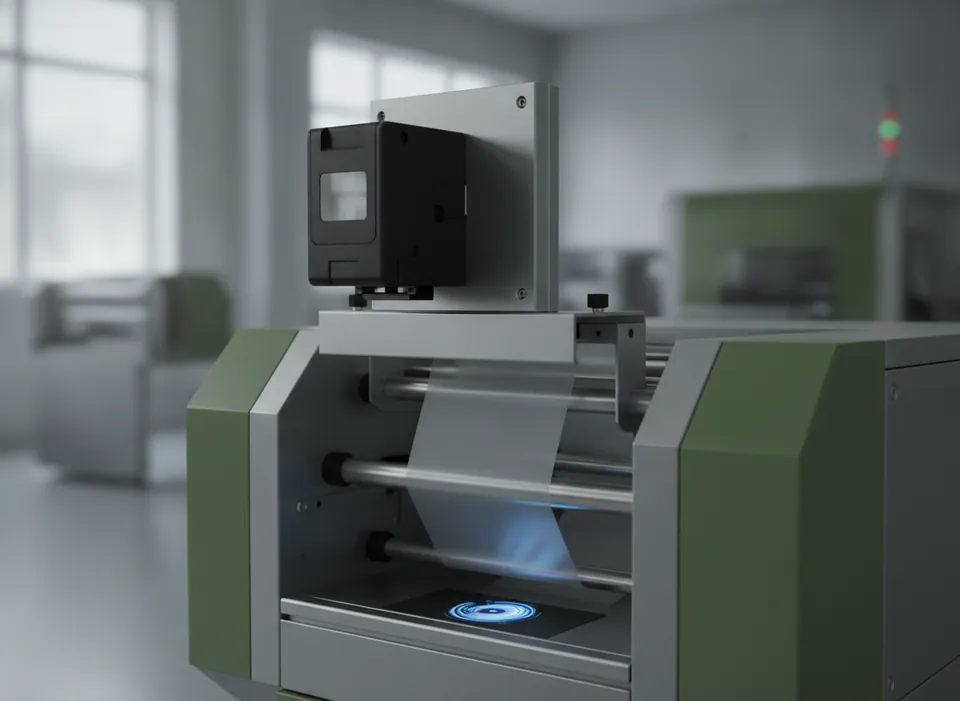
Working with flexible film & pouches
Flexible packaging is thin, heat-sensitive and usually printed before the pack is formed. The code must not damage the barrier layers that protect the product.
Practical tips
- Match ribbon grade to the film; near-edge heads need near-edge ribbons.
- Print on a backed section of web — a platen or roller — for consistent quality.
- Check code rub resistance after the pack has been through the sealing jaws.
What works, and why
Thermal Transfer Overprinters (TTO)
High-resolution dates, text and barcodes — the standard on baggers and thermoformers.
UV Laser Marking Machines
Ribbon-free marking that does not perforate the film.
CO2 Laser Marking Machines
Marks laser-reactive patches and scores easy-open lines.
Continuous Inkjet (CIJ) Printers
Simple dating on moving film where resolution matters less.
Pouch & Form-Fill-Seal Machines
Form-fill-seal machines with coder mounting built in.
Recommended for flexible film & pouches
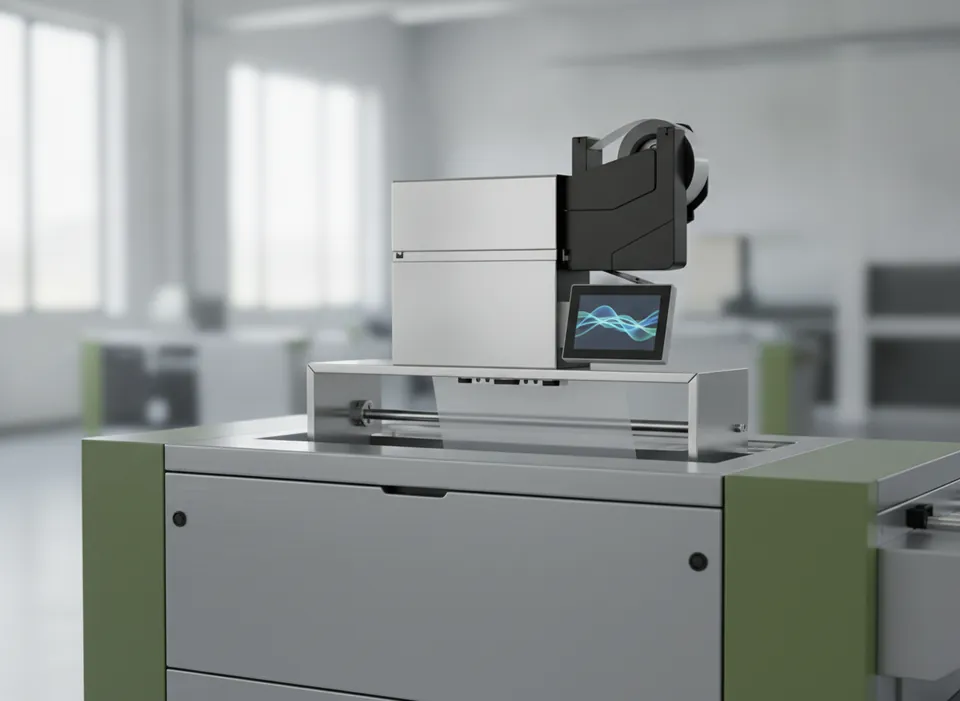
32 mm Thermal Transfer Overprinter
Compact TTO for dates and batch codes on narrow webs.
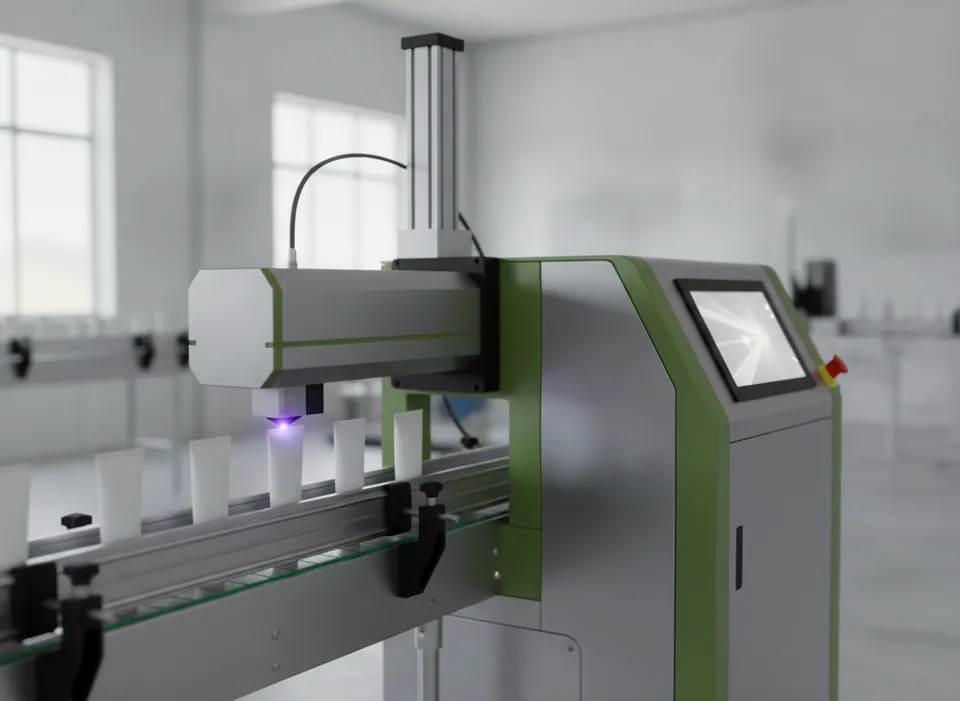
3 W UV Laser Coder
Entry UV coder for plastics, films and labels at moderate speeds.
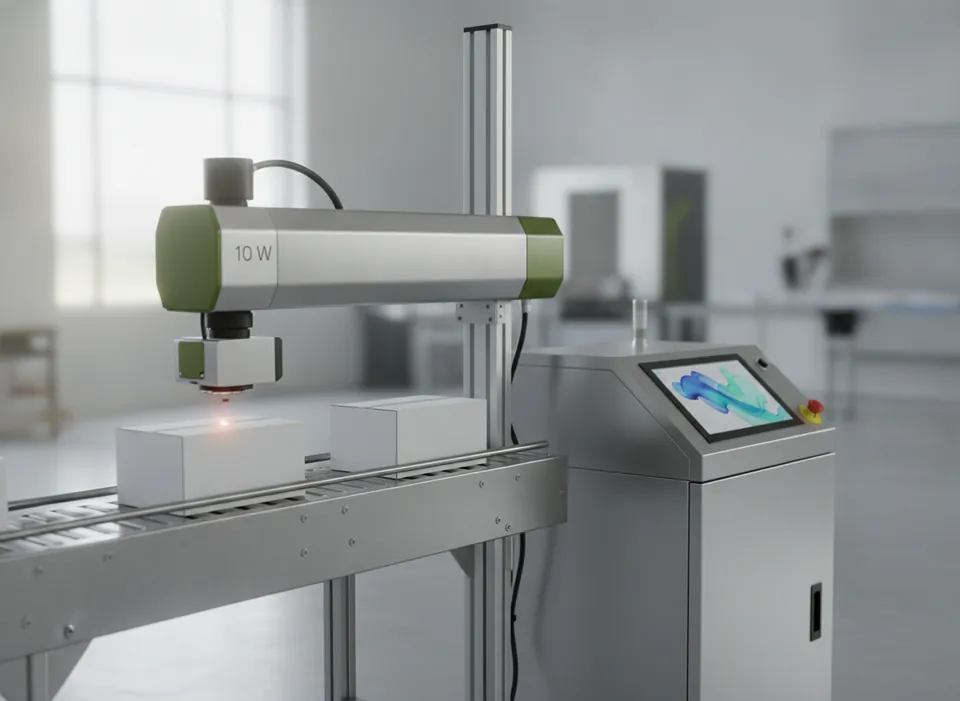
10 W CO2 Laser Coder
Economical CO2 coder for cartons, labels and paper sleeves.
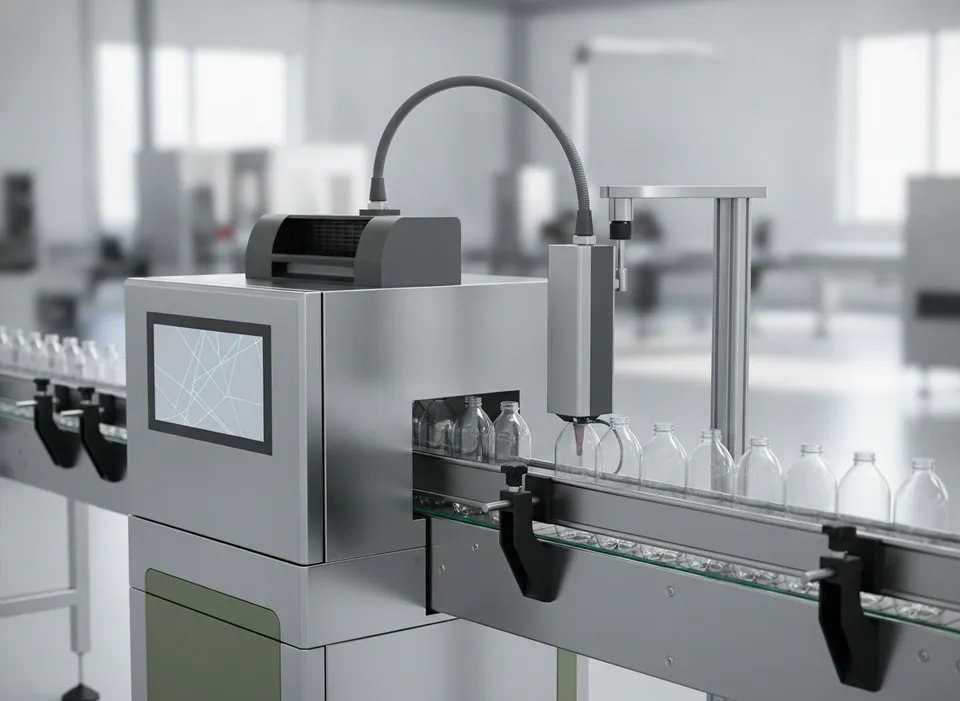
Entry-Level CIJ Printer
Straightforward date and batch coding for single-shift lines.
Not sure which technology fits?
Send us samples. We will test the options and return marked pieces with our recommendation.