Coding & Marking on Metal Cans & Parts
Metal covers beverage cans, closures, foil and machined components. Surfaces range from bare and oily to lacquered and anodised, and many marks must…
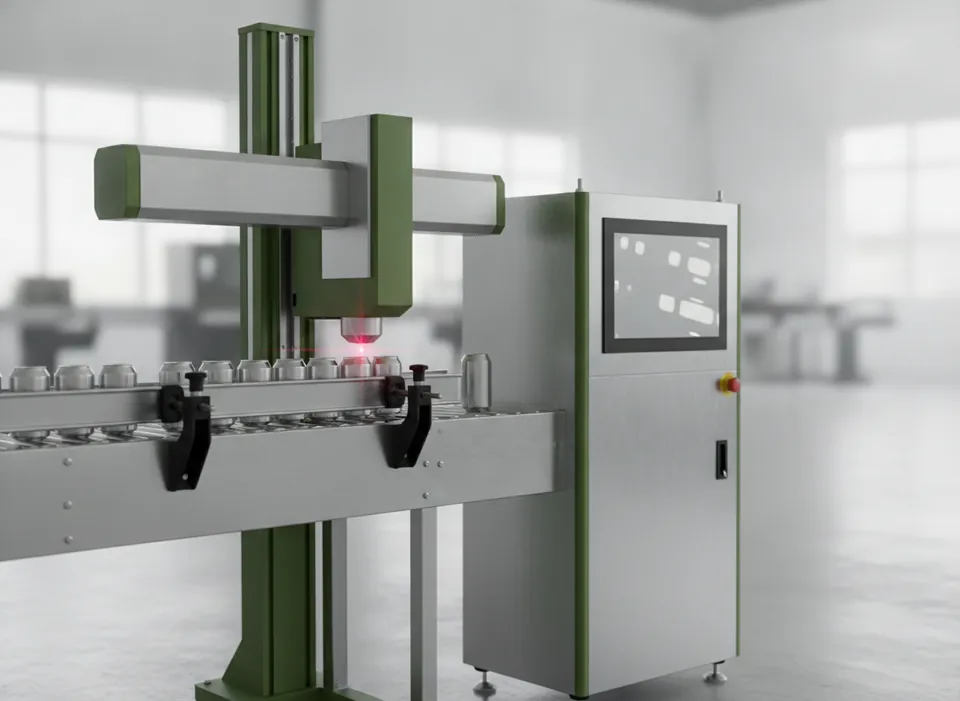
Working with metal cans & parts
Metal covers beverage cans, closures, foil and machined components. Surfaces range from bare and oily to lacquered and anodised, and many marks must be permanent.
Practical tips
- On anodised aluminium a MOPA source gives the darkest mark without breaking the anodic layer.
- Remove oil films before inkjet printing or choose an oil-penetrating ink.
- For medical stainless steel, use annealed marks rather than deep engraving to preserve corrosion resistance.
What works, and why
Fiber Laser Marking Machines
Anneals, engraves or ablates coatings — the first choice for permanent marks on metal.
Continuous Inkjet (CIJ) Printers
Fast, economical dating on can bases and closures, including retort-resistant inks.
UV Laser Marking Machines
Fine marks on coated metals and sensitive finishes.
Vision & Code Inspection Systems
Verifies direct part marks and date codes.
Recommended for metal cans & parts
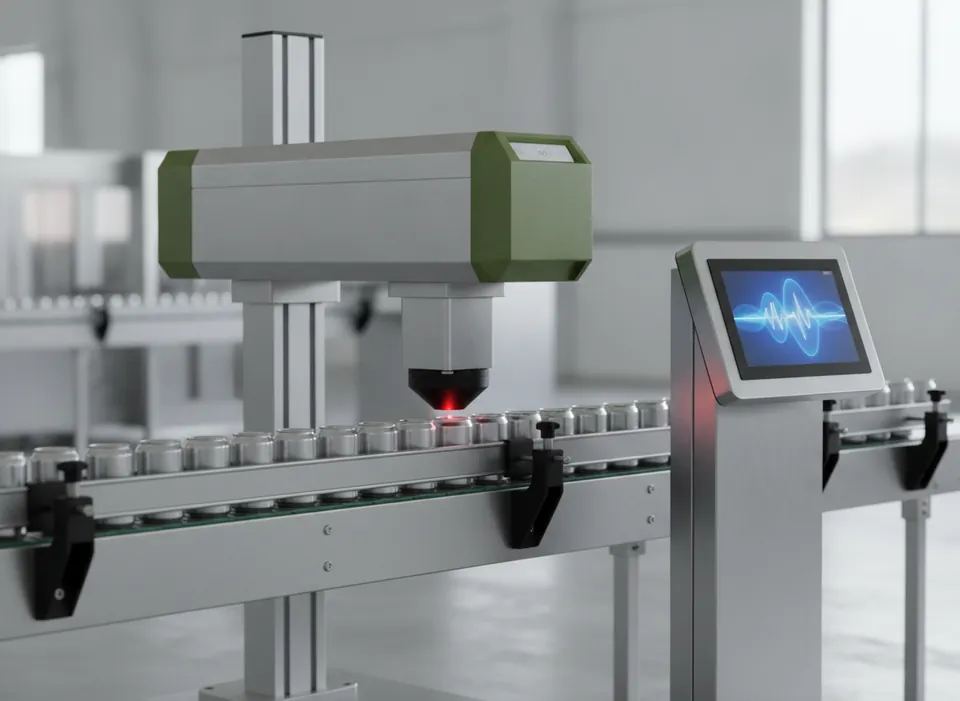
20 W Fiber Laser Coder
Compact on-the-fly fiber laser for date, lot and 2D codes on metal and plastic packs.
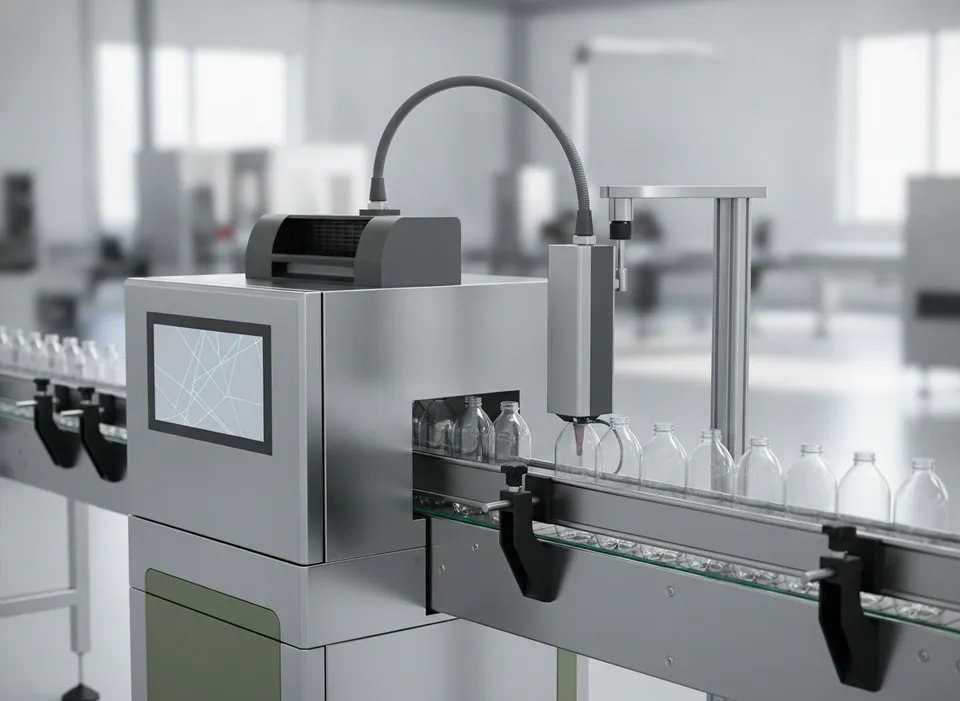
Entry-Level CIJ Printer
Straightforward date and batch coding for single-shift lines.
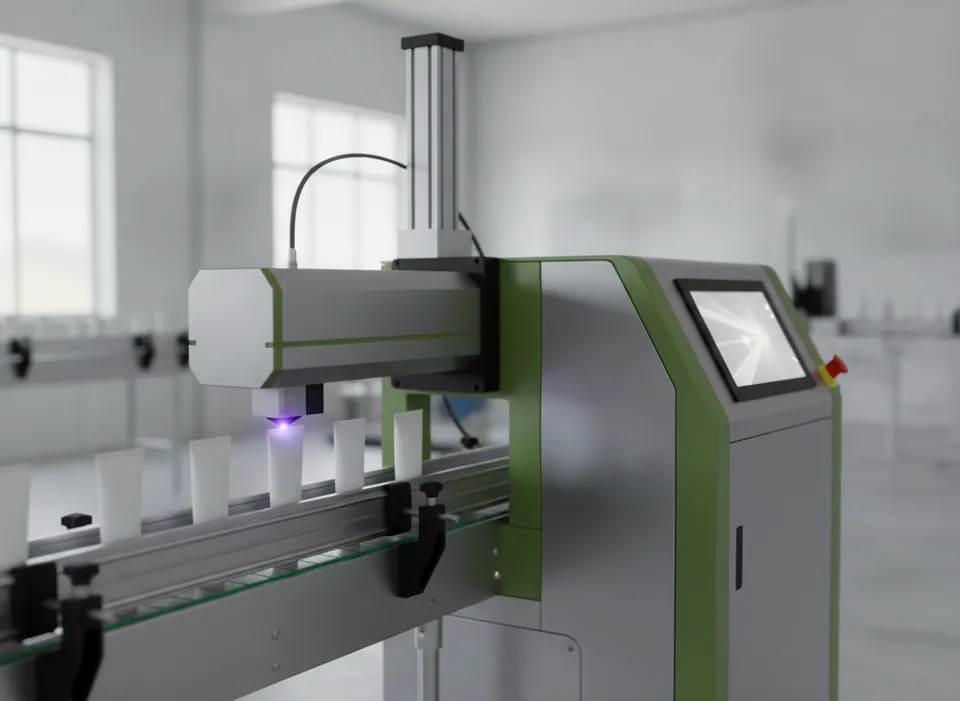
3 W UV Laser Coder
Entry UV coder for plastics, films and labels at moderate speeds.
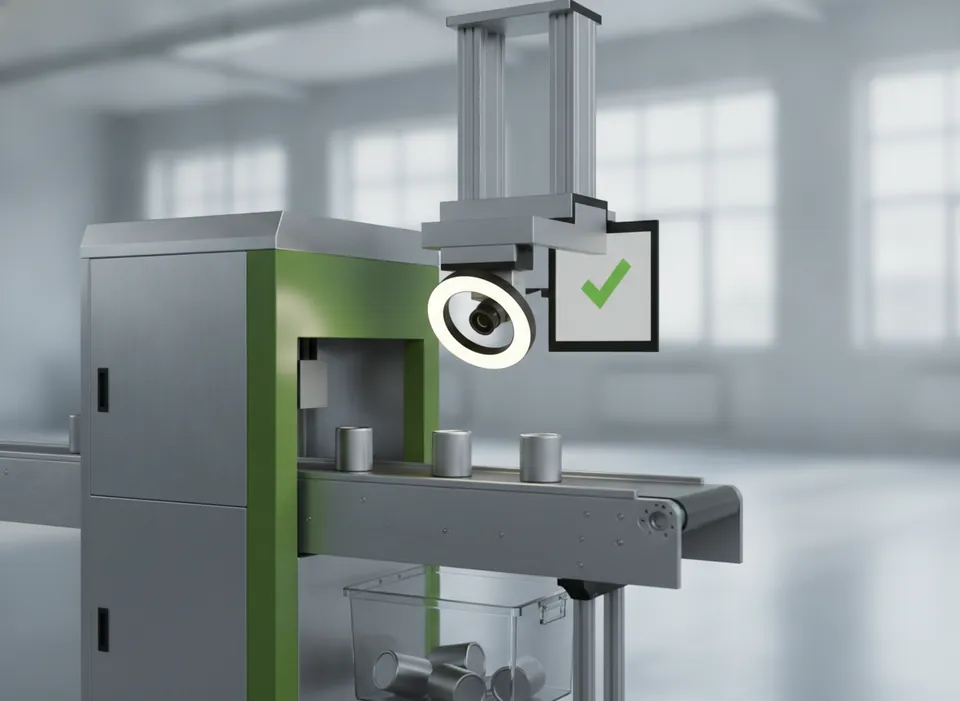
Date Code OCR Inspection System
Checks every date and lot code for presence and correctness.
Not sure which technology fits?
Send us samples. We will test the options and return marked pieces with our recommendation.